
Autism Spectrum Disorder (ASD)
Autism Spectrum Disorder (ASD)
Autism Spectrum Disorder (ASD) is a developmental condition that affects communication, behavior, and social interaction. At Samarpan Occupational and Speech Therapy Center, we provide specialized, evidence-based therapies to support children with ASD in improving their daily functioning and independence. With a personalized and structured approach, we help each child reach their full potential in a supportive and nurturing environment.
What is Autism Spectrum Disorder (ASD)?
ASD is a neurodevelopmental disorder that typically appears in early childhood and continues throughout life. It is called a “spectrum” because it affects individuals differently, ranging from mild to severe challenges. Children with ASD may have difficulty with social communication, repetitive behaviors, limited interests, and sensory sensitivities. Early identification and intervention play a crucial role in improving developmental outcomes.
How to Treat Autism Spectrum Disorder (ASD)?
There is no single cure for ASD, but early and consistent therapy can significantly improve a child’s abilities. Treatment usually involves a combination of therapies tailored to the child’s specific needs. At Samarpan Center, we focus on:
- Speech and Language Therapy for communication development
- Occupational Therapy for daily living and motor skills
- Sensory Integration Therapy for better sensory processing
- Behavioral and Special Education programs for learning and social skills
The goal is to enhance communication, independence, and overall quality of life.
Procedure
The treatment process at our clinic follows a structured approach:
- Initial Assessment: Detailed evaluation of the child’s developmental, behavioral, and communication abilities.
- Customized Therapy Plan: Individualized goals and therapy strategies are designed.
- Regular Therapy Sessions: One-on-one sessions focusing on specific developmental areas.
- Parental Guidance: Training and support for parents to continue therapy at home.
- Progress Monitoring: Continuous evaluation and modification of therapy plans based on improvement.
How Much Time Does It Take?
The duration of therapy varies depending on the child’s condition, severity, and response to treatment. ASD therapy is usually a long-term process, often requiring several months to years of consistent sessions. Early intervention can lead to faster and more effective results. Regular attendance and parental involvement play a key role in progress.
Key Benefits of Therapy
- Improves communication and language skills
- Enhances social interaction and behavior
- Develops independence in daily activities
- Reduces sensory sensitivities and behavioral challenges
- Boosts confidence and overall quality of life
Why Choose Samarpan Center
Samarpan Occupational and Speech Therapy Center stands out for its experienced team and child-focused approach. With over 30 years of expertise, we provide personalized, one-on-one therapy sessions tailored to each child’s needs. Our center offers comprehensive services under one roof, ensuring holistic development. We also actively involve parents in the therapy process, creating a supportive environment that encourages consistent progress and long-term success.
FAQs
1. What are the early signs of Autism Spectrum Disorder?
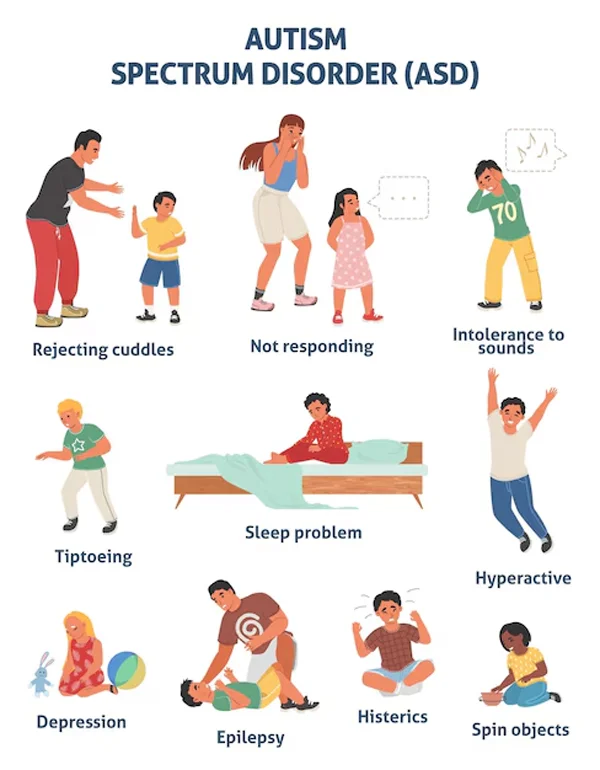
Early signs include delayed speech, lack of eye contact, limited social interaction, repetitive behaviors, and reduced response to name. Identifying these signs early helps in starting timely intervention.
2. Can Autism Spectrum Disorder be cured?
ASD cannot be completely cured, but early and consistent therapy can significantly improve communication, behavior, and daily functioning, helping individuals lead more independent lives.
3. At what age should therapy for ASD begin?
Therapy should ideally begin as early as possible, usually between 1.5 to 3 years of age, once developmental delays are noticed or diagnosed.
4. How often should therapy sessions be conducted?
Most children benefit from multiple sessions per week, depending on their needs. The exact frequency is decided after assessment by the therapist.
5. How can parents support children with ASD at home?
Parents can support by following therapist guidance, maintaining routines, encouraging communication, and practicing learned activities regularly at home for better results.